Got a question?
We're here to help!
Take a look at our FAQ



 RAPID DISPATCH PERFECT FIT
 Quality made-to-measure blinds
 Free Delivery Over £189
 10 Free Samples
Quality made-to-measure blinds
Free Delivery Over £189
10 Free Samples
10 Free Samples
Quality made-to-measure blinds
Free Delivery Over £189
10 Free Samples
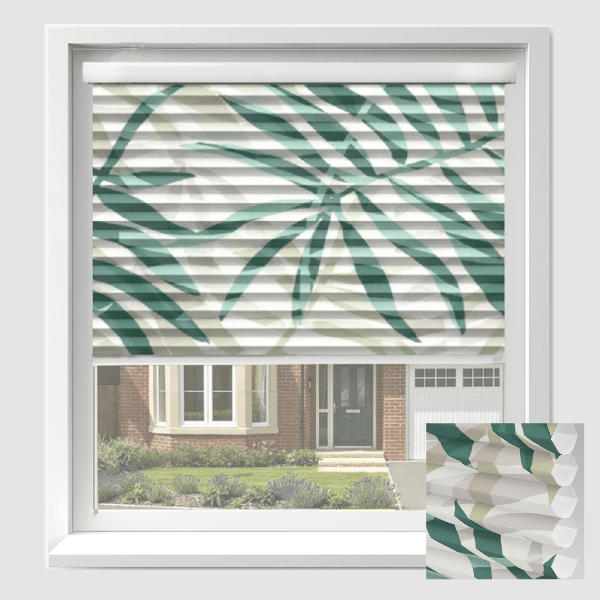
Intu Honeycomb Blinds combine the sophistication of honeycomb pleated fabrics with the convenience of a sleek, no-drill installation system, offering both style and functionality to enhance any window..
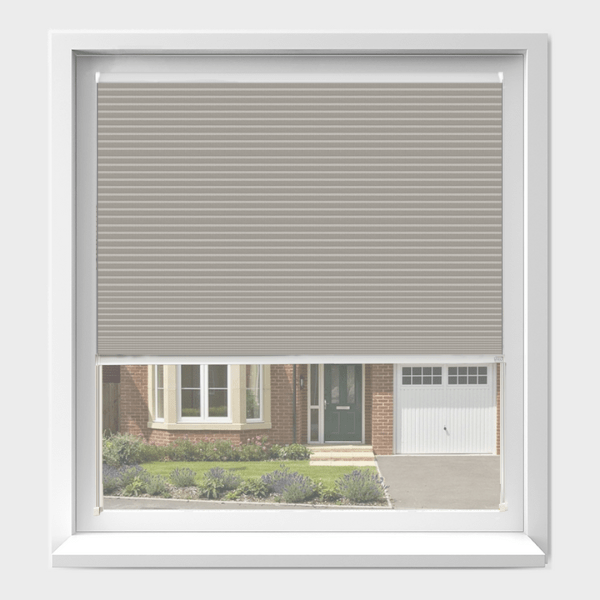
Intu Micro blinds are the perfect choice for bi-fold doors, as their compact design allows your doors to fold back flush, providing unobstructed views and seamless integration with the surrounding space..
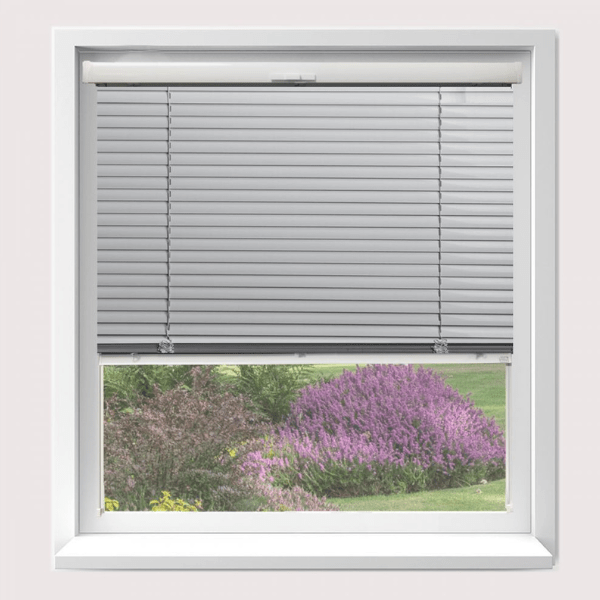
For the most minimalist horizontal venetian blind, these Intu Blinds offer it all. From High Gloss to comforting hues you can achieve the perfect window dressing
Intu blinds are designed to sit flush on the glazed area rather than being fixed above or around the frame. They are often chosen where a slimmer solution is preferred over drilled alternatives, particularly on tilt-and-turn windows and narrower glazing.
Because each blind is made to measure to your exact glass size, the frame fits precisely within the window bead. There’s no need for drilling into surrounding surfaces, no visible brackets, and no adjustment once installed. The blind clips into place and stays secured against the glass.
Intu blinds are well suited to installations on uPVC windows, tilt and turn windows, French doors, bi-fold windows and doors, conservatories, and bay windows.
On doors, the contained design prevents fabric movement when opening and closing. On tilt-and-turn windows, the blind remains aligned as the window operates, something face-fixed blinds cannot achieve cleanly.
For sliding doors, a blind installed within the recess, such as roller blinds, vertical blinds or Allusion blinds, is typically a more suitable solution.
On bi-fold doors, clearance and folding configuration should always be checked carefully before ordering. Standard Intu blinds may overlap the frame slightly. Where space is tighter or full fold-back is important, Intu Micro blinds are specifically designed with a slimmer profile to suit bi-fold door installations.
The Intu system supports several blind styles, allowing you to choose the level of light control and privacy that suits each room while keeping the same no-drill fitting method.
Intu Venetian Blinds:A practical option for precise light control. Aluminium slats can be tilted using the sliding tab, to manage glare and privacy throughout the day, making them particularly useful in kitchens, living areas and home offices.
Intu Honeycomb Blinds:Designed with a cellular fabric structure that helps moderate temperature by trapping air within the pleats. A good choice for conservatories or rooms that experience heat gain in summer and heat loss in winter, while still offering light control.
Intu Micro Pleated Blinds:Designed specifically for slimmer beads and tighter glazing areas, Intu Micro Pleated Blinds use a reduced pleat size to create a more compact blind within the frame. They’re particularly well suited to bi-fold doors and modern aluminium windows where space is limited.
If reducing light is important, blackout options are available within the Honeycomb and Micro range, offering the highest level of light control within the Intu system.
Intu blinds use discreet side profiles that run vertically along the edge of the glass. These profiles hold the top and bottom brackets securely in place, preventing movement when the blind is operated.
The correct side profile depends on the shape of your window frame where it meets the glass. Frames are typically rounded, square, or feature a small lip.
Each profile is designed to match one of these shapes, ensuring the blind sits securely and operates smoothly.
If you’re unsure which profile you need, side profile sample kits are available so you can hold them against your window before ordering. A step-by-step video guide is also available to help identify the correct fit.
Because every Intu blind is made to measure, accurate measuring is essential. Our measuring guidance walks you through the process clearly before you order.
If you’d like to check colour or fabric first, free fabric samples are available. Seeing the fabric in your own light helps confirm tone and opacity before placing a made-to-measure order.
All Intu blinds are manufactured in the UK and prepared specifically for your glass size, not adapted from stock dimensions.