RAPID DISPATCH PERFECT FIT


Written by Stuart G., Founder and Director at Direct Order Blinds, manufacturing made-to-measure blinds in Boston, Lincolnshire since 2005.
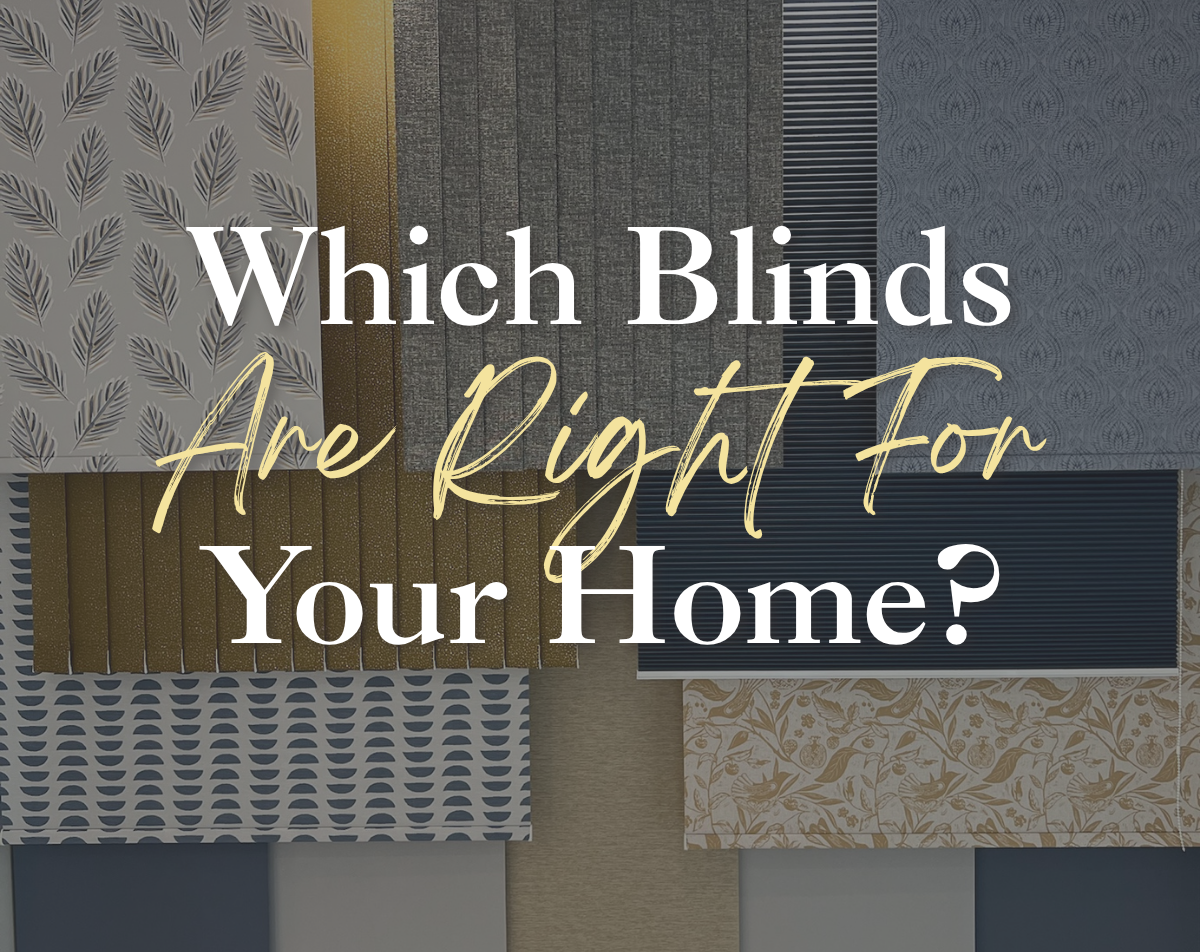
With so many blind styles on the market, it's easy to end up overwhelmed before you've even measured a window. Here's a clear breakdown of the main types, what each one does best, and how to match one to your room. Every type below is definition-first, so you can skim straight to the one you need.
Roller Blinds
Roller Blinds are a single piece of fabric that rolls up and down, often as part of a cassette system, giving a clean, minimal look that suits any room. They come in light-filtering fabrics for living spaces, blackout fabrics or fully opaque Blockout Blinds for bedrooms and nurseries where you want total darkness.
Best for: kitchens, bathrooms, bedrooms, and anywhere you want a low-fuss, contemporary finish.
Venetian Blinds
Venetian Blinds are made from horizontal slats you can angle open or closed, giving you precise control over light and privacy without losing the view completely. Aluminium slats are practical and moisture-resistant, while wooden, or fauxwood, slats bring more warmth to the look. For care and cleaning, see our Venetian blind cleaning guide.
Best for: home offices and living rooms where you want to adjust light throughout the day.
Vertical Blinds
Vertical Blinds use hanging fabric slats that stack neatly to one side, making them the go-to choice for large windows and patio doors. They handle wide expanses of glass better than almost any other blind type, and the slats can be angled for light control just like a Venetian. Our vertical blind cleaning guide covers upkeep in full.
Best for: patio doors and floor-to-ceiling windows.
Wooden Blinds
Wooden Blinds bring natural texture and warmth that fabric and PVC can't quite match. Real wood slats suit period features and add a sense of quality to a room, though they're best kept away from consistently damp environments like bathrooms.
Best for: living rooms and home offices.
Allusion Blinds
Allusion Blinds use soft fabric vanes instead of solid slats, giving you the light control of a vertical blind with a gentler, more contemporary look. They're a popular alternative for anyone who wants the practicality of vertical blinds without the harder-edged appearance.
Best for: lounges and modern interiors with large windows.
No-Drill Blinds: Perfect Fit® and Intu
If you'd rather not drill into your window frame at all, Perfect Fit® Blinds and Intu Blinds clip directly onto the frame using a bracket system, with no screws needed. Both Perfect Fit and INTU blinds sit neatly, and discreetly, on each window pane with the option of opening fully for uninterrupted views and closing completely for privacy and excellent light control.
Best for: uPVC and aluminium windows, conservatories, and tilt-and-turn or bifold doors where a hanging blind isn't practical.
How to Choose
Match the blind to the job, not just the look:
-
Room type. Kitchens and bathrooms need moisture-resistant materials like PVC or aluminium. Bedrooms benefit from full blockout fabric — see our best blinds for bedroom guide.
-
Light control needs. Venetian, vertical, Allusion and Duo Roller Blinds all let you adjust light gradually. Roller and Blockout Blinds give you an all-or-nothing option.
-
Window type. Tilt-and-turn and bifold windows and doors often suit no-drill options like Perfect Fit or Intu best. Once you've picked a type, our measuring guide walks you through getting the fit right.
-
Budget. Roller Blinds, Vertical Blinds and Fauxwood Blinds tend to be the most cost-effective starting point, with wooden and motorised options sitting at the premium end.
We're often asked which type lasts longest in a busy family home. In our experience, PVC-coated Roller Blinds and Vertical blind hold up best day to day, simply because they're the easiest to keep clean.
Still narrowing it down? Order up to 10 free fabric samples and see how a fabric or colour actually looks against your walls and light before you buy. Samples ordered before 9am are dispatched the same day.
FAQs
What's the easiest type of blind to maintain?
Roller Blinds, particularly PVC-coated fabrics, since they wipe clean easily and don't have slats to bend or warp.
Which blind type is best for a large patio door?
Vertical Blinds or Allusion Blinds, thanks to their stacking design, which handles wide expanses of glass without the bulk of a roller.
Can I fit blinds without drilling into my window frame?
Yes. Perfect Fit® Blinds and Intu Blinds both clip directly onto the frame using a bracket system, with no screws or drilling needed. We also offer a no drill GripFit Roller blind